Certificate Of Evaluation Coa
Coa
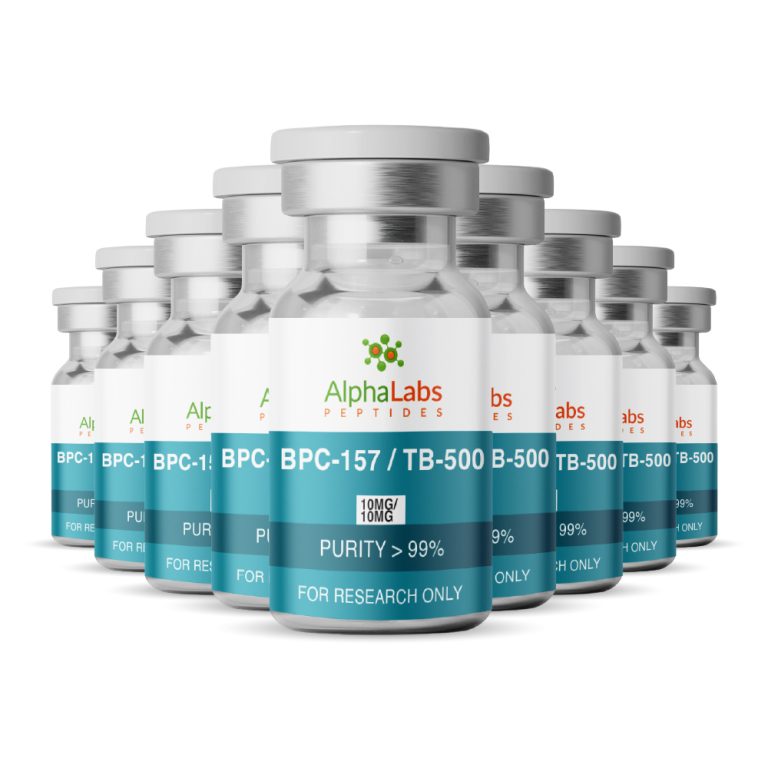
- Without correct upstream controls and documentation, a COA alone can not guarantee that succeeding batches match the same requirement.
- Setting up a winter season routine, like examining refrigerators, examining carrier logs, or logging storage problems, can make the managing process go smoother.
- A whole lot or batch number helps connect the record to a specific examined material.
- COA documents is provided for referral purposes just and does not certify viability for any kind of certain application.
Welcome To The Certificate Of Evaluation (coa) Web Page For Fusion Peptides
By systematically reviewing pureness information, identity confirmation, and contaminant screening results, you can make enlightened decisions concerning item acceptability and distributor reliability. Within the peptide sector, pureness levels above 90-- 95% are usually thought about high for research-grade products. Our interior testing go for a baseline of 99.1% pureness using validated HPLC methods, and most of our sets fulfill or surpass this level.
Transparency & Study Context
This ensures that the product is without unwanted contaminants that might disrupt research findings. Additionally, solubility and security data are offered, offering clear guidelines on optimum storage space and handling problems. Lastly, to strengthen integrity, all COAs are backed by independent third-party verification, ensuring full accuracy and compliance with lab criteria. LC-MS, or Fluid Chromatography-Mass Spectrometry, includes one more layer of analytical information to peptide paperwork. While HPLC is generally made use of to report purity, LC-MS is typically made use of to aid confirm whether the discovered compound is consistent with the expected molecular weight of the peptide being assessed. For buyers reviewing a COA, this makes LC-MS particularly valuable when identity issues, not just pureness.
Glp-2 Tz Research Review: Framework And Lab Interest
The initial things to examine are the peptide name, set or whole lot number, and the day of analysis. Buyers must after that evaluate the reported approach, such as HPLC or LC-MS, and validate that the file shows up linked to the specific item being offered. A COA is most helpful when it is clear, specific, and simple to link to the provider's product listing. A vendor can provide a document labeled as a COA, however that does not immediately make the documentation reliable. Buyers ought to still inspect whether the file is batch-specific, understandable, full, and regular with the item being sold. Missing out on batch numbers, vague approaches, unclear dates, or generic-looking data can all minimize confidence in the effectiveness of the paper.
Supplier-provided COAs from internal testing bring fundamental problems of rate of interest. Third-party COAs from recognized independent research laboratories use better reliability. When only in-house COAs are readily available, verify the distributor's track record through community evaluations and think about independent testing for crucial applications. HPLC separates the peptide example right into its constituent elements based upon their chemical residential properties, generating a chromatogram that shows heights representing various compounds present. The major peak represents the target peptide, while smaller sized peaks suggest pollutants, synthesis results, or destruction items.Quality assurance is paramount in the manufacturing of research study peptides, as it straight influences the integrity of experimental outcomes. At Nextday Peptides, we employ rigorous testing protocols to make certain that every batch of peptides fulfills the highest criteria of purity and quality prior to they are launched to our customers. When dealing Click for info with products such as peptides, researchers depend on the CoA to know what's been examined and exactly how. It's not a pledge or a guarantee regarding what the item will do. Rather, it's a recap of test results that helps verify the compound's characteristics under defined laboratory problems.

Learn how to safely source research study peptides by validating Certificates of Evaluation, identifying red flags, comprehending purity metrics, and guaranteeing appropriate storage space. Discover exactly how to confirm peptide pureness making use of HPLC, mass spectrometry, and third-party laboratory testing. Understand Certifications of Evaluation, typical pollutants, and what pureness requirements to try to find. Bear in mind that a COA stands for a picture of one batch at one point. Proper storage and handling after manufacture impact item high quality, making focus to storage problems and expiration dates just as crucial as preliminary high quality confirmation.
A certificate of analysis, or COA, is a document that summarizes certain analytical results for a provided product or batch. In the peptide context, it typically consists of purity data, whole lot or set info, examination dates, and the analytical technique used to create the reported result. The report typically identifies the lab in charge of doing the analysis. Laboratories, researchers, and institutions that work with research peptides rely upon standard analytical paperwork to validate the identification and top quality of research study products. One of one of the most vital files utilized in this Discover more here verification procedure is the peptide certification of evaluation, commonly referred to as a peptide COA. Nevertheless, recognize that labs do update their reporting layouts occasionally. Confirming COA credibility requires methodical cross-referencing and, when feasible, independent confirmation. Begin by confirming the screening lab exists and keeps current certification. The basic purpose of a COA expands past simple regulative conformity. It supplies verifiable proof that the peptide you get matches what was bought, contains the mentioned pureness degree, and is free from damaging impurities. If the COA consists of extremely limited method information, uncertain testing references, or unclear lab information, it ends up being more difficult to evaluate the logical context behind the outcome.